
WHEELTOP EDS TX Rim Brake Road Groupset Review by Ciclista Rodando
What the video covers
This article summarizes a Spanish-language YouTube video by Ciclista Rodando, who tests the WHEELTOP EDS TX electronic groupset on a rim-brake road bike. The creator explains that major brands have stopped releasing their top electronic groupsets for rim brakes, while WHEELTOP still offers a current electronic option for riders who keep rim-brake bikes. The creator already runs WHEELTOP on more than one bike, including a gravel bike that shares the same brake levers.
The video walks through the main components of the system, how the system connects to phones and cycling computers, what to watch for during installation and tuning, a battery routine that works in practice, how the shifting feels on the road, and the creator's own experience with WHEELTOP support. All details below come from the video, and credit for the testing and opinions goes to Ciclista Rodando.
Setup and compatibility
The levers and the rear derailleur use carbon, and the rest of the body is aluminum. For road bikes the system comes as a rim-brake version, which is the one tested here, and as a disc-brake version.
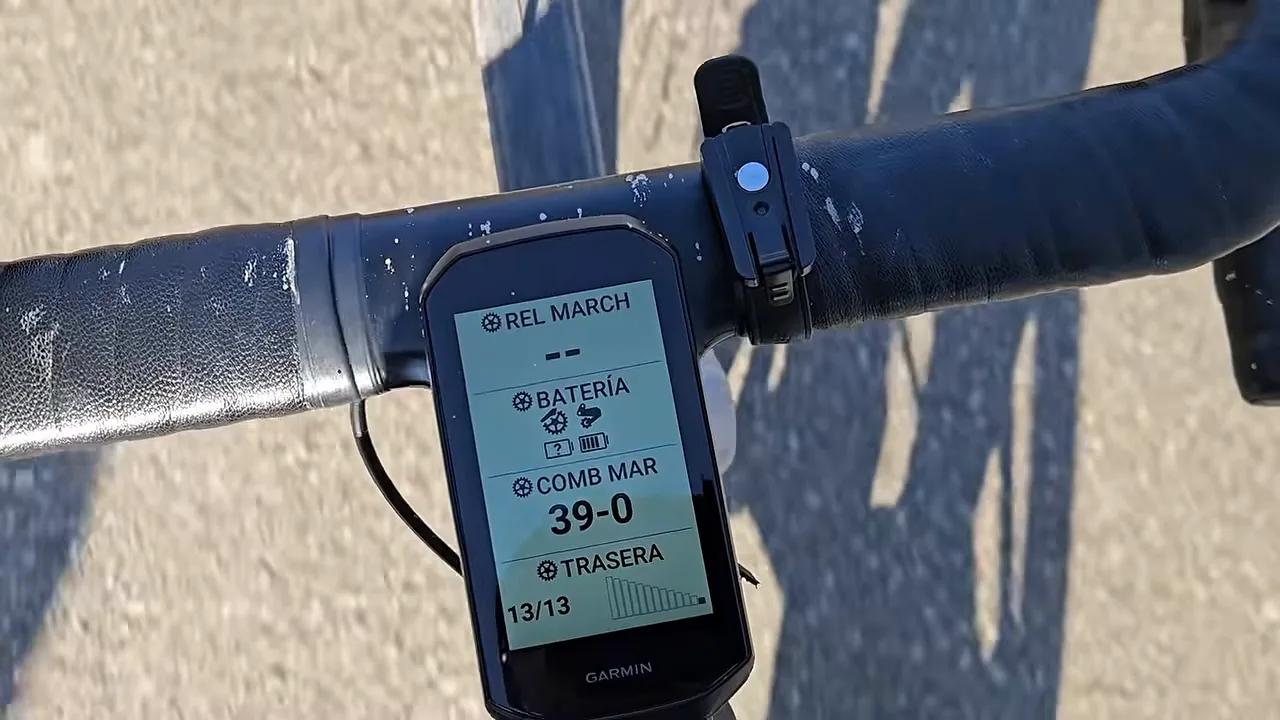
The system connects over Bluetooth to a phone and to cycling computers. The creator tested it with Garmin and expects Hammerhead, iGPSport and Magene computers to show gear and battery information as well. The video notes that the system supports cassettes up to 36T, and the road setup uses a double chainring in front.
The creator also points out that the number of gears is not fixed the way it is on some other electronic groupsets, so it can be configured in the app to suit the cassette on your bike.
Installation and fine-tuning
According to the video, installation is not complicated if you have assembled mechanical brakes before, and it is a little simpler because there are no shift cables to route. Anyone who has never done it can take the bike to a mechanic, as the creator did with the gravel bike because of the handlebar tape.
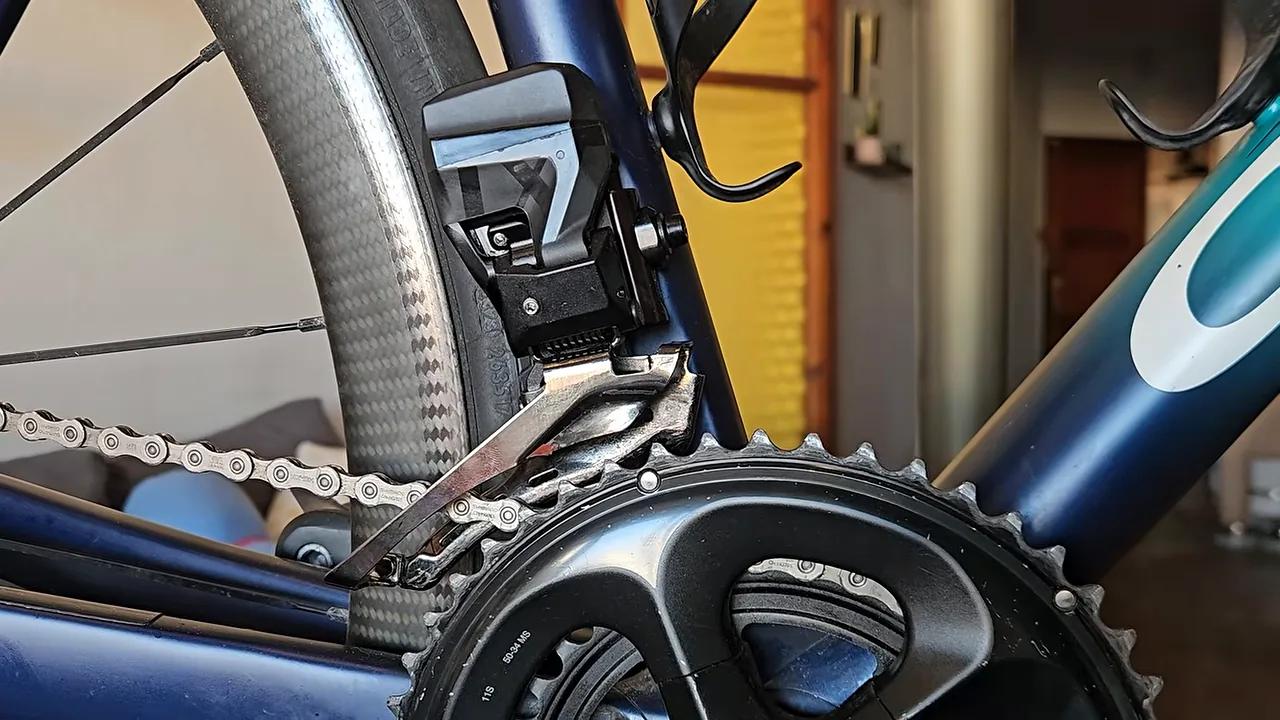
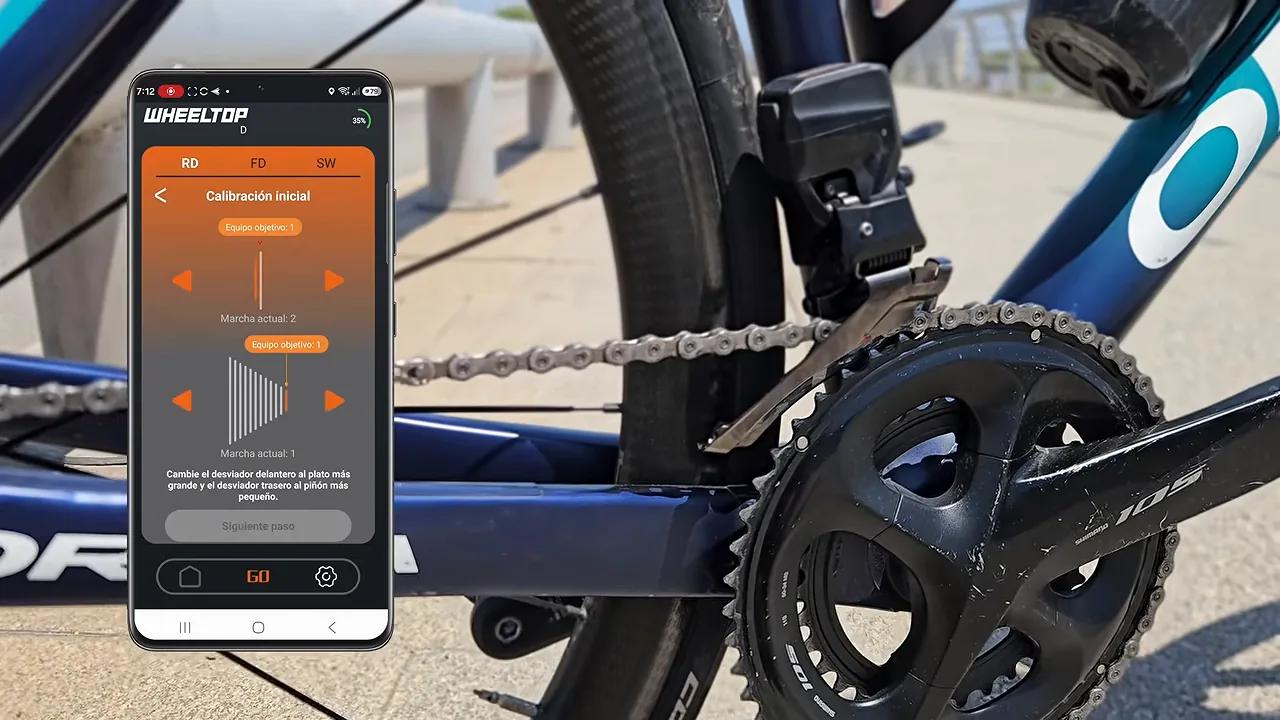
Two points matter most. The first is the height of the front derailleur relative to the chainrings. A small alignment sticker supplied with the groupset helps set the clearance to the large chainring, and the derailleur plate should sit parallel to the chainrings. The second is fine-tuning in the app. Because the system can be configured for different gear counts, the first setup takes a bit longer than on a fixed 11- or 12-speed system. The creator recommends setting the initial cable tension on the smallest cog, and if a shift in the middle of the cassette lacks tension, going back to the smallest cog to add tension instead of adjusting at that point. If one gear still needs help out on the road, the app has a screen for small adjustments per gear. The creator gave one gear a small boost after a ride and never had to adjust it again.
Battery and charging
The video cites up to about 20,000 shifts per charge. In the creator's riding, two to three rides a week, the battery lasts a couple of months. The creator charges everything on the first day of every month with a recurring reminder, including pedals, power meter and shifting batteries. The tip is to keep batteries roughly between 40 and 70 percent when possible and avoid running them down to zero.
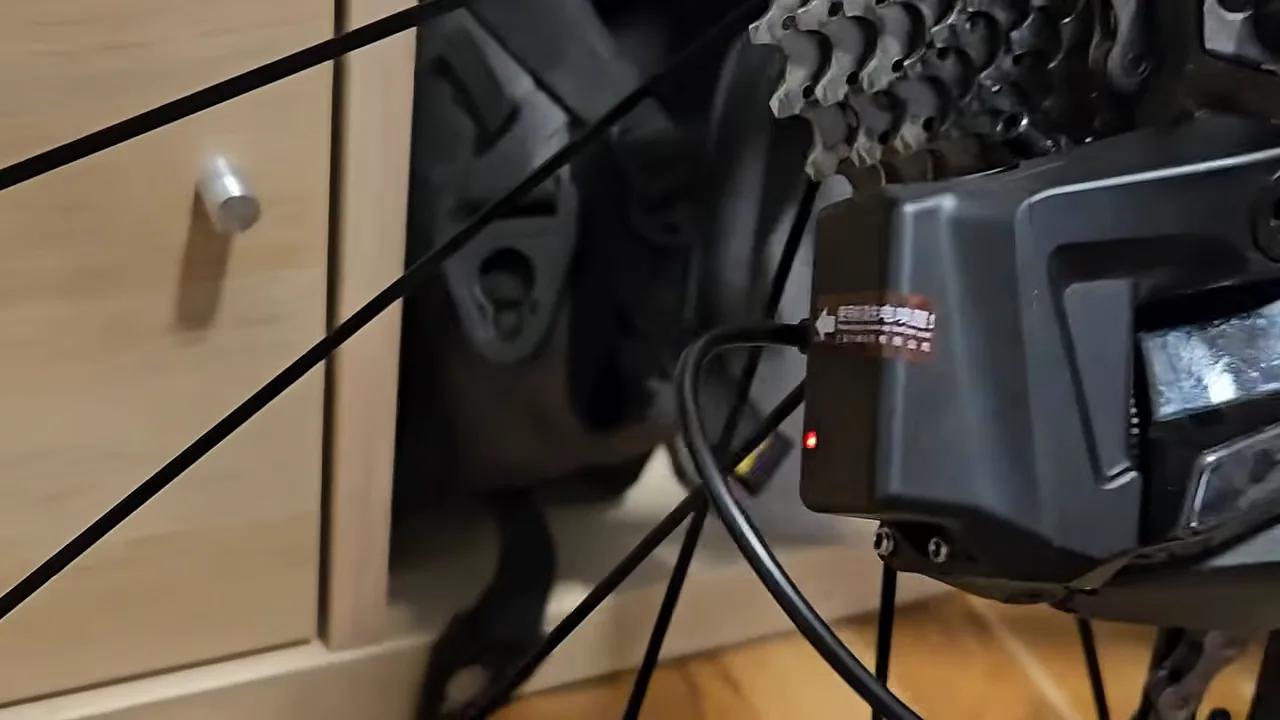
Charging uses a proprietary magnetic charger with a fairly long cable. The shift levers use small coin-cell batteries, which the creator says last a very long time, and a spare is easy to carry in a tool bag.
Riding impressions
The feature the creator likes most on the road is how quiet the shifting is, compared with the small sound of Shimano Di2. Shifts between chainrings and across the cassette feel smooth from the start. By default the system blocks shifts when the chain would be crossed too much.
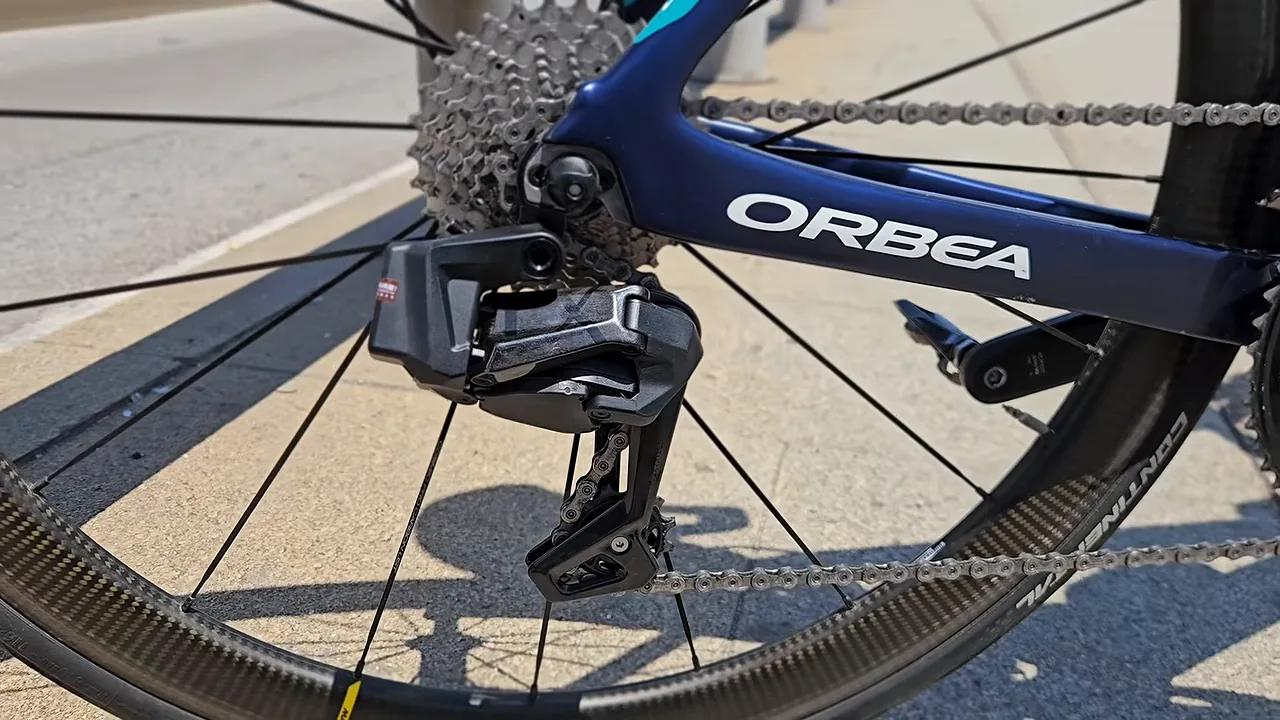
There is a racing mode that makes shifting faster and a casual mode. The creator keeps the bike in casual mode to save battery, preferring longer battery life over a slightly faster shift. A power-off mode lets you switch the shifting off when the bike is being transported by car or plane, so the levers cannot shift by accident. Cycling computers can show the current gear and battery level.
Things to keep in mind
The creator mentions a few trade-offs briefly. The battery is built in and fixed with screws, so there is no quick-swap battery. There are two chargers, one for the front and one for the rear, and the creator suggests carrying one in a tool kit because the cable is not common in bike shops. There are no extra hood buttons, and for now cycling computers cannot use the levers to change screens or ring an electronic bell, although gear and battery status do show.
Support and after-sales
The creator had a rear derailleur stop working after about seven or eight months. After emailing WHEELTOP's service department and running a few tests to check the battery voltage, the creator sent the unit in and received it back repaired, with nothing paid for the replacement, shipping or collection. The creator compares the turnaround to industry norms and says two workshops described similar timelines for other brands.
Verdict
The creator highly recommends the system for rim-brake road bikes, highlighting the quiet shifting, the configurable gear count and the app tuning once the front derailleur is aligned and the initial cog adjustment is done. The video closes by asking viewers whether they would try electronic shifting from a brand that has recently entered the Spanish market.
Watch the original video above: a Spanish-language video by Ciclista Rodando on YouTube, published 9 October 2026.


