
Electronic Shifting in Cold Weather: Tips for Winter Cyclists
Cold weather changes how your electronic derailleur performs. Here's what to expect from WHEELTOP EDS in winter — and how to keep it shifting cleanly.
Winter Riding and Your Electronic Derailleur
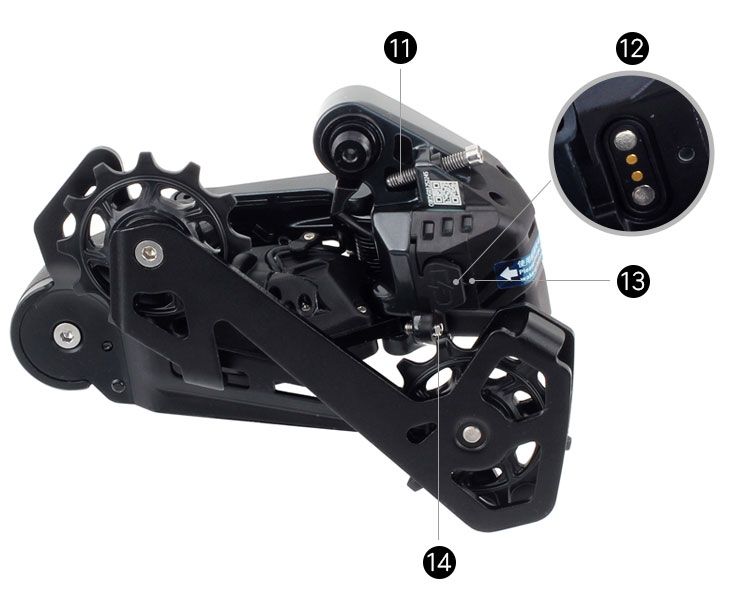
Electronic derailleur cold weather winter performance is a real conversation among year-round cyclists, and not without reason. Lithium batteries lose capacity in the cold. Bluetooth can get flaky. Lubricants thicken. None of this is catastrophic — but if you've been riding your WHEELTOP EDS all summer and you head out on a January morning without any preparation, you might get a surprise. The good news? Most of the issues are preventable, and the WHEELTOP system handles winter better than you'd expect once you know what you're working with.
What Cold Actually Does to a Lithium Battery
Here's the thing: lithium-ion cells don't fail in the cold, they just underperform. Below freezing, a lithium battery's internal resistance climbs, and its usable capacity drops — that's just chemistry, not a WHEELTOP-specific issue. The WHEELTOP EDS rear derailleur's integrated battery is no exception to this basic chemistry. Expect noticeably faster battery drain on a cold ride than you'd see in summer conditions.
This doesn't mean the system fails — it means you need to manage expectations and habits differently. Battery life that's solid in summer can drop meaningfully in serious cold. Plan accordingly, and charge before every winter ride rather than waiting for the warning.
Warming the Battery Before You Ride
The single most effective thing you can do is also the simplest: don't let the derailleur sit in an unheated garage or car overnight before a ride. WHEELTOP recommends storing the unit at temperatures between 10°C and 25°C (50–77°F) when not in active use. Bring the bike indoors the night before. If that's not practical, at minimum bring just the derailleur inside — the battery module is the part that matters here.
Worth noting: some riders attach the derailleur (or just the battery, if they're running a system with a removable unit) to their top tube bag during cold climbs, keeping it closer to body heat. It sounds a bit over-engineered, but the logic is sound. Body heat keeps the battery in a more functional range, and you'll see noticeably snappier shifting when the cell is warm. Shift response can degrade slightly when the battery is cold-soaked.
Bluetooth Range in Freezing Conditions
BLE (Bluetooth Low Energy) and ANT+ — which WHEELTOP EDS uses for communication between the shifters, derailleur, and the app — are technically unaffected by cold air itself. Radio waves don't care about temperature. That said, electronic derailleur cold weather winter performance does involve one indirect wireless problem: cold affects the battery powering the shifter pods too. If your shifter's coin cell or internal battery is cold, the transmission signal can weaken slightly, which in practice can mean the occasional missed shift or a slightly longer pairing time when you first power on.
In real-world use, we haven't found this to be a major issue above -5°C, but below that, keep your shifters closer to your body when not riding — in a jersey pocket during coffee stops, for instance. The communication range itself (roughly 10 meters in optimal conditions) doesn't shrink dramatically in cold, but physical obstructions and a weakened transmitter can compound. If you're already troubleshooting connectivity issues unrelated to cold, the WHEELTOP EDS troubleshooting guide is a good place to start.
Lubricating Your Pulleys for Freezing Temperatures
This one gets overlooked. The derailleur cage pulleys — guide and tension — need lubrication that stays fluid in the cold. Most standard wet lubes are fine down to around 0°C, but if you're regularly riding below freezing, a dedicated cold-weather or winter-formulated lubricant is worth the small investment. Standard wet lubes can thicken noticeably below -5°C, creating drag in the pulley bearings that the derailleur motor has to work slightly harder to overcome.
What to Use (and What to Avoid)
For the pulleys specifically, a low-viscosity synthetic oil rated for sub-zero temperatures works well. Avoid thick, wax-based lubes in winter — they're great for dusty summer riding but can solidify in the cold and cause the pulleys to feel gritty or resistant. For the chain itself, a proper winter wet lube applied the night before (so it has time to penetrate) is the standard approach. The WHEELTOP derailleur's motor is robust, but it doesn't benefit from fighting frozen drivetrain components. If you're also navigating wet and muddy conditions alongside cold, wireless electronic derailleur performance in rain and mud covers the broader picture.
What to Expect vs. Summer Performance
Let's be honest about the trade-offs. In summer, a well-set-up WHEELTOP EDS is almost eerily consistent — precise, fast, quiet. In winter, that same system is still excellent by the standards of any derailleur, electronic or mechanical. But there are differences. Shift response can feel marginally slower on the first few shifts of a cold ride. The app's battery percentage can drop faster than you'd expect before the battery warms up. If you've left the bike in the cold all night, expect the first minute of riding to feel slightly less crisp than you're used to.
Once everything warms up — usually within 5–10 minutes of riding — performance normalizes significantly. The electronic derailleur cold weather winter performance gap compared to summer is real but narrow if you follow the prep steps above. The formula is simple: bring it in at night, charge it more often, use the right lube. That's pretty much it. If you're considering a winter commuter build, the WHEELTOP electronic shifting urban commuter guide has some useful real-world context.
Quick Pre-Ride Winter Checklist
You don't need a complex routine. A few habits cover most of the risk. Store the bike (or at minimum the derailleur) indoors above 10°C before cold rides. Charge to full the evening before — don't rely on a partial charge in winter. Apply fresh cold-weather lube to the chain and pulleys if temperatures are dropping below 0°C. Power the system on inside and let it pair before heading out, so the first shift isn't also the first cold connection attempt. And if you're newer to the WHEELTOP system and want a solid foundation before tackling winter specifics, the road bike electronic shifting upgrade guide covers the setup fundamentals that everything else builds on.
Winter cycling doesn't have to mean compromised shifting. With a little preparation, the WHEELTOP EDS holds up impressively well — far better than most people assume before they try it. The system was designed with real-world riding in mind, not just perfect-conditions benchmarks. Cold is manageable. Just don't ignore it.
Ready to try it? The WHEELTOP EDS lineup ships worldwide from Aoeagle's eBay store — full warranty included.


