
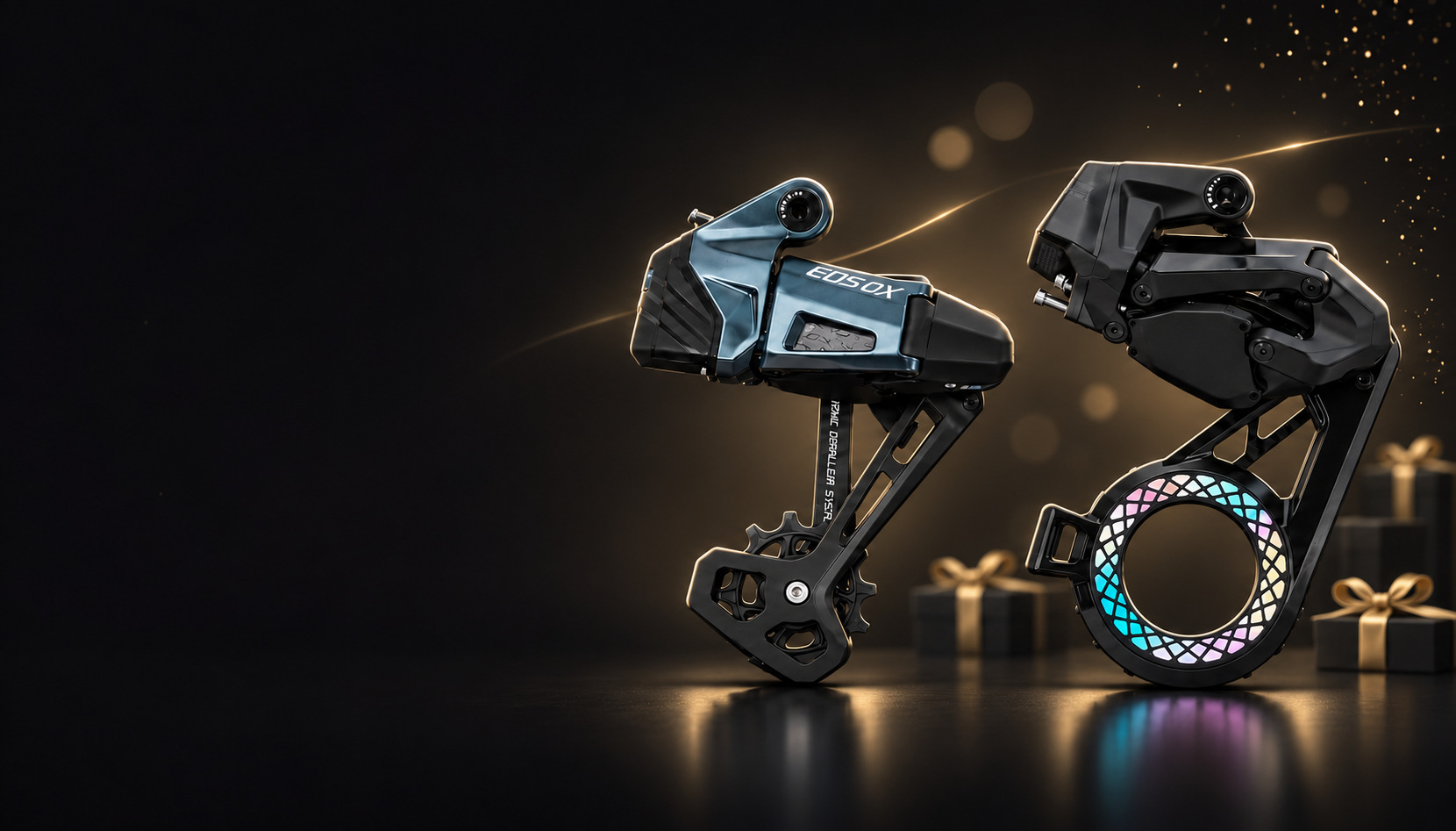
WheelTop EDS OX 2.0 Wireless Drivetrain Review: Trail Performance and Setup Trade-Offs
Adapted from the video by NIC ADV. In his review of the WheelTop EDS OX 2.0 wireless electronic mountain bike drivetrain, NIC ADV examines how the system handles workshop installation, companion app configuration, and several months of trail riding. The rear derailleur is adaptable from 3 to 14 speeds and fits cassettes from 10 to 52 teeth, making it compatible with standard Shimano and SRAM components. The unit is waterproof and includes an adjustable clutch, though its battery is non-removable. For NIC ADV, the integrated battery is a notable drawback because he considers carrying a spare battery important on big trips.
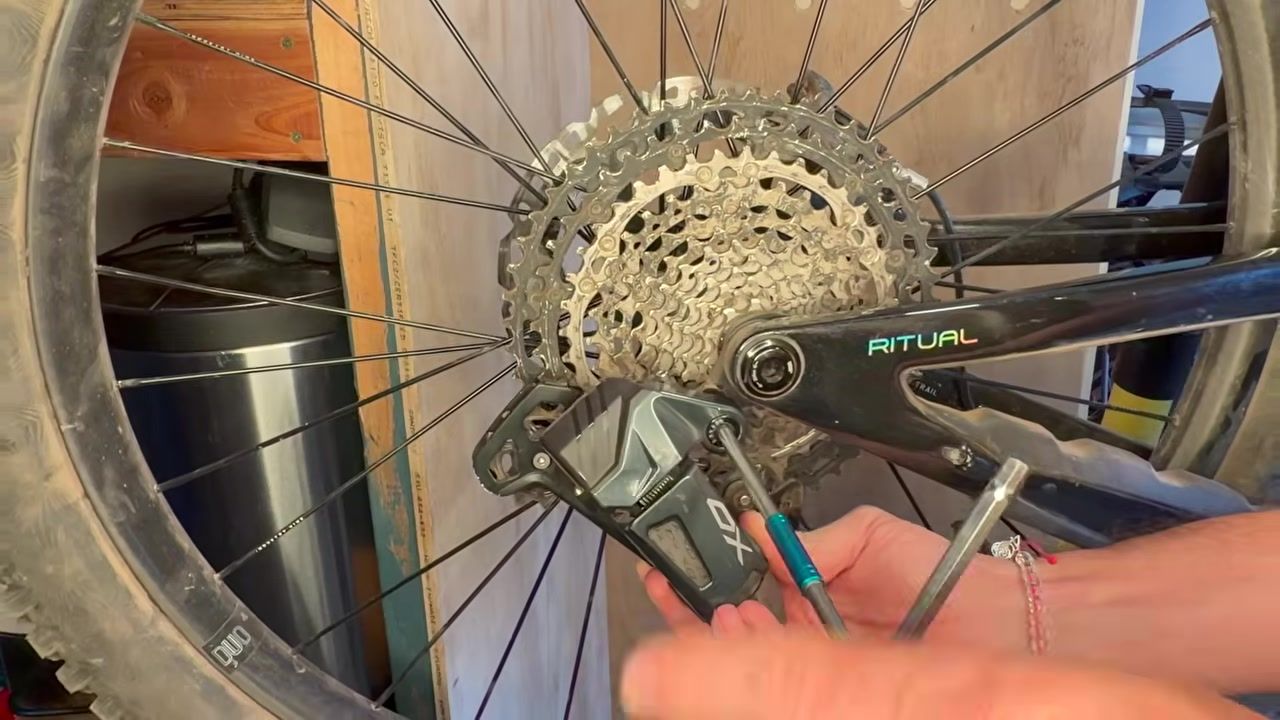
According to NIC ADV, initial physical installation went mostly fine with a basic understanding of derailleurs, though fine-tuning the adjustment proved more difficult. To reach the adjustable clutch and the high-limit screw for the smallest cog, a rider must first remove an outer cover on the derailleur. Speaking to the hardware design, NIC ADV notes that a 1.5 mm Allen wrench is too small and could easily lead to stripped bolts.
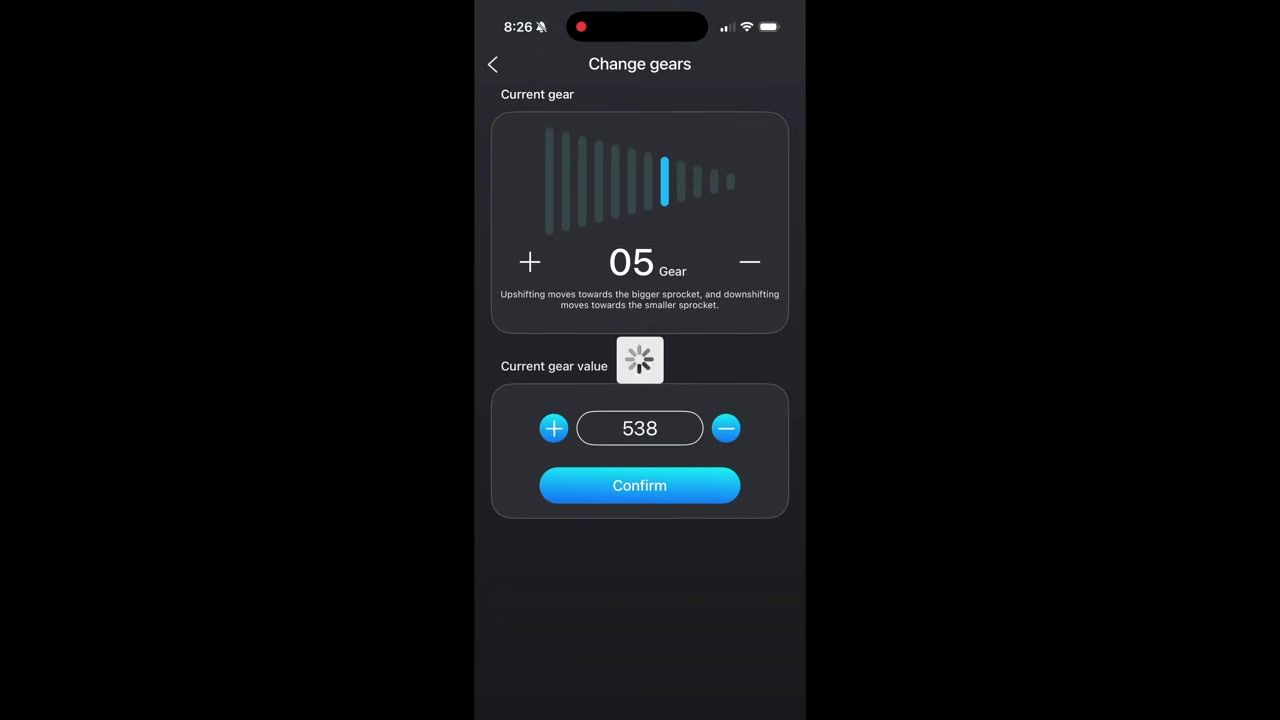
Software setup presented additional hurdles during his workshop session. NIC ADV explains that he hates the idea of having to use an app to set things up and found the WheelTop companion app rather hard to decipher. At the same time, the app remains necessary for full customization because adjusting individual cog trim is only possible through the app interface.
For riders who adjust overall trim without the app, NIC ADV describes a manual method on the handlebar shifter. You hold the small button on the shifter until the indicator light turns off, make the adjustment, and repeat the button hold when finished. However, he points out a strange limitation: manual trim has to be adjusted from the smallest cog only. If a rider adjusts it from another cog, the derailleur will not be able to shift all the way back down.
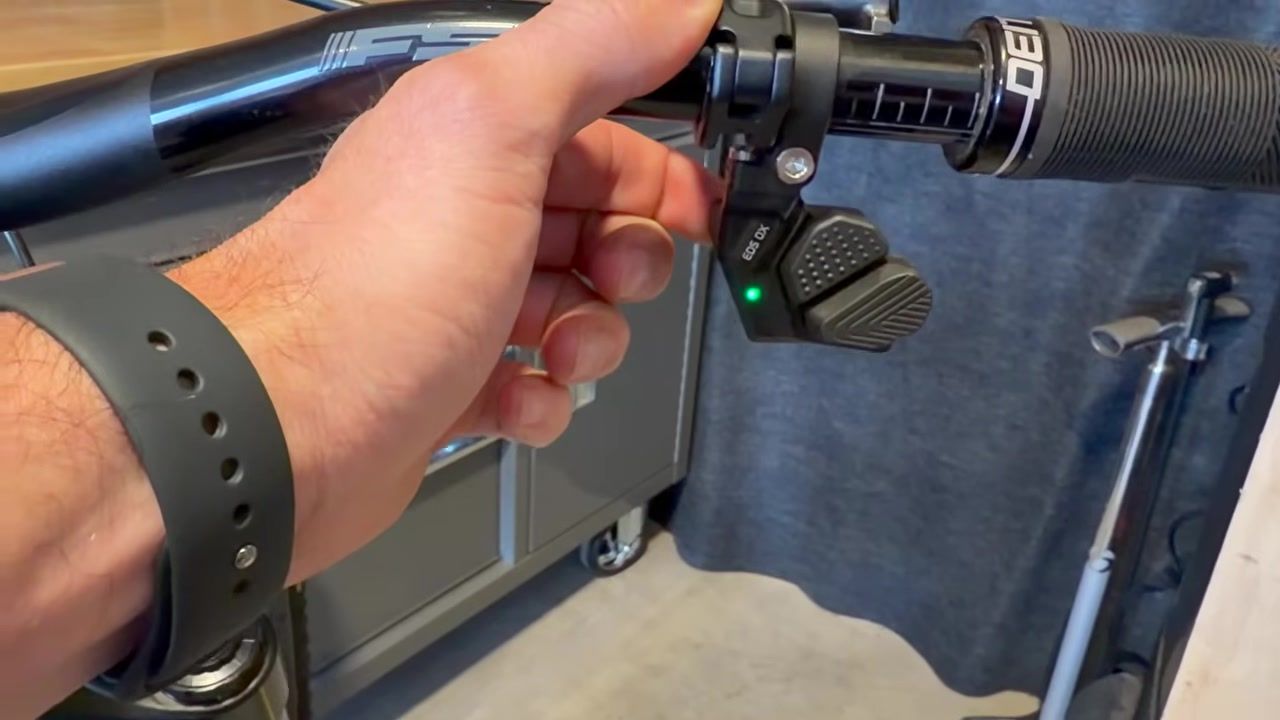
On the trail, NIC ADV found that the WheelTop EDS OX 2.0 felt surprisingly good. While he notes that the shifter may not be the most beautiful component, its clicks are crisp and responsive, and holding the button down dumps multiple gears quickly. To him, the shifter feels intuitive, similar to a Shimano layout, so he wasn't constantly shifting the wrong direction. Paired with a Shimano cassette and chain, the system shifted quite well even under load. NIC ADV states that the shifting is not on the level of XTR or X0 AXS, and definitely not as good as a well-set-up Shimano or SRAM drivetrain, but he considers it fast, good enough, and not disappointing by any means.
Over a few months of testing, the clutch worked well, though NIC ADV had to readjust it once after returning from Moab. During that testing window, the derailleur smashed a rock or two and kept shifting. He notes that the steel cage tends to bend faster than some higher-end options in his experience, though it had not been a problem yet.
Ultimately, NIC ADV views the system as a conditional option for handy, self-sufficient riders, since replacement pieces could be an issue and will not be found at a local bike shop. It offers a wireless option for frames with headset cable routing that cannot run mechanical drivetrains, as well as cross-compatibility between Shimano and SRAM. Still, NIC ADV prefers a well-set-up mechanical drivetrain and says he would rather spend his money on suspension and brakes.


