
Electronic Bike Shifting Explained: How It Works and Should You Upgrade?
Electronic shifting feels like magic the first time you try it. Here's how it actually works, what it costs, and whether it's worth upgrading your bike.
If you've been riding mechanical shifters for years and someone mentions electronic groupsets, the first reaction is usually some version of 'why would I pay more for something that needs charging?' Fair question. But once you actually use electronic shifting, it's hard to go back — and this electronic bike shifting how it works beginner guide will explain exactly why. No hype, no marketing fluff. Just what's happening mechanically, what it actually feels like to ride, and whether the upgrade makes sense for the kind of cycling you do.
What's Actually Happening When You Shift Electronically
With mechanical shifting, you pull a cable. That cable runs from your lever to your derailleur, and the physical tension moves the derailleur arm. Simple, but the problem is cables stretch, housing compresses, and the whole system drifts out of adjustment over time. Electronic shifting replaces that cable with a small electric motor sitting inside the derailleur body itself. Press a button on your shifter, it sends a signal — either through a wire or wirelessly — and the motor moves the derailleur to a precise, pre-programmed position. That's it. There's no cable tension to maintain. The derailleur doesn't drift. Every shift is executed to the same specification as the first one you ever made.
The first thing you notice on a ride isn't the speed, honestly. It's the consistency. Shift on a climb, under load, tired legs, soaking wet — it doesn't matter. The motor doesn't know or care. It just moves the chain.
Wired vs. Wireless: The Two Main Architectures
Wired Systems (Di2-style)
Shimano Di2 is the benchmark here. The shifters connect to the derailleur via thin wiring that runs through or along your frame. The signal is fast and totally reliable — there's no radio interference to think about. The trade-off is routing complexity, especially on bikes not designed for internal Di2 wiring. Shimano's latest Di2 groupsets start around $1,000 and climb well past $2,000 depending on components. They're excellent. But they're also expensive and the installation is not a weekend project for most riders.
Wireless Systems (AXS, WHEELTOP EDS)
SRAM AXS went wireless and changed the conversation. No wires at all — shifters communicate via Bluetooth to the derailleur. Cleaner install, no routing headaches. WHEELTOP's EDS system works the same way, and this is where it gets genuinely interesting for riders who want electronic shifting without a second mortgage. WHEELTOP EDS costs a fraction of what entry-level Di2 does. The shift response on the EDS TX feels immediate, comparable to what you'd expect from Di2 in real-world riding.
Electronic vs. Mechanical: The Honest Comparison
Here's the thing: a well-tuned mechanical groupset shifts beautifully. Nobody should pretend otherwise. The problem is the 'well-tuned' part. Cables stretch after installation, more so after the first few hundred kilometers. Housing wears. Ferrules crack. You re-index, re-index again, and if you ride in wet conditions, you're fighting contamination too. Electronic systems simply don't have that degradation mode. There's nothing to stretch or corrode in the signal path. Worth noting: electronic derailleurs still need the hanger to be straight and the limit screws to be set correctly — they're not magic boxes that overcome bad bike setup. But once set up correctly, they stay correct.
Shifting under load is the other thing. On a steep climb, when your legs are already grinding and you realize you grabbed the wrong gear, a mechanical shift sometimes just doesn't happen cleanly. Electronic systems are more authoritative there. The motor doesn't rely on cable tension that varies with your grip pressure — it just executes.
Understanding the WHEELTOP EDS System
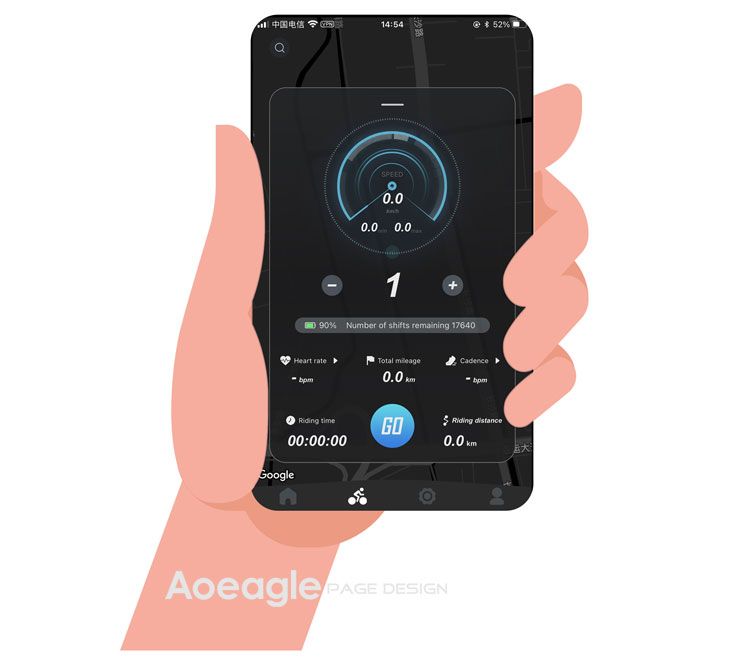
WHEELTOP makes two primary wireless rear derailleurs: the EDS TX and the EDS OX 2.0. The TX is the road/gravel-focused option; the OX 2.0 is built for MTB use with longer cage options and wider range support. Both run on a built-in rechargeable battery that charges through a magnetic connector, and the WHEELTOP app shows the battery level at a glance.
Setup is handled through the WHEELTOP app, which walks you through limit screw settings and micro-adjustment of each gear position. It's straightforward — if you've ever indexed a mechanical derailleur, you'll find the app-guided calibration easier. For a full walkthrough of pairing and configuration, the WHEELTOP App Setup Guide covers every step from first power-on to your first ride. Compatibility across cassette and chain options is broader than you might expect too — the WHEELTOP EDS Compatibility Guide is worth checking before you buy if you're running a less common drivetrain setup.
Who Should Actually Upgrade
Not everyone needs electronic shifting. Let's be straight about that. If you ride casually a few times a week on dry roads and you don't mind indexing your derailleur once or twice a year, mechanical is fine. But there are specific rider profiles where electronic makes a real difference. You shift constantly — whether that's on rolling terrain, in a group where pace changes are unpredictable, or in hilly riding where you're always hunting for the right gear. You ride in wet conditions regularly. You hate maintenance. You've rebuilt your cable housing twice in the past season and you're tired of it. Or you're putting electronic shifting on a folding bike where internal cable routing is genuinely painful — electronic wireless sidesteps all of that, and there's a useful breakdown of exactly that use case in this guide to the best electronic groupset for folding bikes.
If any of those describe you, the question isn't really whether to upgrade — it's how much you want to spend. And that's where WHEELTOP makes this electronic bike shifting how it works beginner guide conversation more practical than it would have been three years ago.
What It's Like to Ride With Electronic Shifting
The buttons take a ride or two to get used to. That's the honest answer. Your hands have muscle memory for lever throw, and the light press of an electronic shifter button feels almost too easy at first — like you're not actually doing anything. Then you're three hours into a ride, your hands are tired, and you realize you've been shifting with a fingertip tap rather than a full lever push, and it hasn't missed once. That's when it clicks. The system is designed to hold calibration across varied conditions, including wet weather where mechanical shifting would be getting sluggish. No drama. The chain just goes where it's told.
This is essentially the core promise of electronic bike shifting: it removes the variables. Cable tension, housing compression, hand fatigue, wet conditions — none of them affect the outcome. Whether that's worth the investment is your call, but at WHEELTOP's price point, the math has gotten much more favorable for everyday cyclists.
The Bottom Line
Electronic shifting isn't a gimmick, but it's also not mandatory for every rider. If you're on the fence, the honest answer from this electronic bike shifting how it works beginner guide is this: try it once on a real ride and you'll understand the appeal immediately. The WHEELTOP EDS is the most accessible entry point in the market right now — wireless, app-configurable, with replaceable batteries and a real-world shift feel that punches well above its price class. If you're curious which WHEELTOP model fits your bike best, the WHEELTOP EDS TX vs OX 2.0 comparison will point you in the right direction.
Already convinced and riding a road bike specifically? The Road Bike Electronic Shifting Upgrade guide walks through parts, compatibility, and installation for your exact conversion.
Ready to try it? The WHEELTOP EDS lineup ships worldwide from Aoeagle's eBay store — full warranty included.


