
WHEELTOP EDS vs Shimano Di2: Is Budget Electronic Shifting Worth It?
WHEELTOP EDS costs a fraction of Shimano Di2 — but how does it actually ride? We break down the real differences so you can decide.
The Question Every Budget-Conscious Rider Is Asking
Electronic shifting used to mean one thing: spending serious money. Shimano Di2 set the standard, and for years it was basically the only credible option outside of SRAM AXS. Then WHEELTOP showed up and changed the math entirely. The WHEELTOP vs Shimano Di2 comparison has become one of the most searched topics in the budget drivetrain space — and honestly, it deserves a straight answer, not marketing fluff. So here it is: a real look at what each system does well, where each falls short, and who should actually be buying what.
Price: The Gap Is Enormous
Let's start with the number that stops most conversations before they start. A complete WHEELTOP EDS groupset costs a small fraction of Shimano 105 Di2, and further still against Shimano XT Di2, which climbs to the high end depending on configuration. That's not a small difference — that's the price of a decent entry-level bike. For riders building up a second bike, upgrading an older frame, or just getting into electronic shifting for the first time, that gap is genuinely hard to ignore. If you want to understand the full picture of what you're actually paying for with electronic systems, Electronic Bike Shifting Explained: How It Works and Should You Upgrade? is worth reading before you pull the trigger on either.
Shift Speed and Feel: Closer Than You'd Expect

Here's the thing: both systems are fast. Genuinely fast. The WHEELTOP EDS TX completes gear changes quickly enough that you stop thinking about it entirely. Shimano Di2 is in the same ballpark, maybe fractionally snappier under load, but we're talking differences that disappear on the road. What Di2 does have is a slightly more refined, planted feel under hard pedaling — that comes down to years of iteration and tighter manufacturing tolerances. The WHEELTOP shifts are crisp and decisive, but occasionally you'll notice a very slight mechanical personality to the movement. Not a flaw, just a character difference.
Battery Life: Both Good, One More Practical
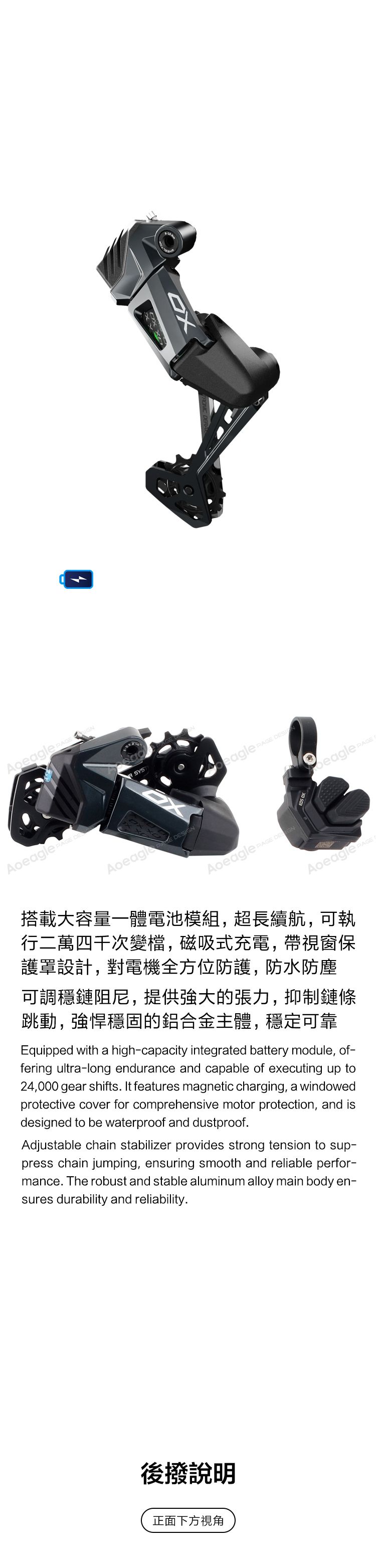
Battery life is broadly comparable between the two systems — in real-world use, most riders on either system are topping up every few weeks to a month depending on ride volume. That's fine. WHEELTOP charges through a magnetic snap-on connector and shows the remaining charge in its app, so keeping it topped up is easy.
App Features and Connectivity
Shimano's E-TUBE Project app is polished. It's been refined over years, it integrates with Garmin and Wahoo head units, and it lets you customize shift modes, button mapping, and synchronization settings with a level of depth that's genuinely impressive. WHEELTOP's app is more straightforward. You get firmware updates, basic configuration, and derailleur calibration. It connects cleanly via Bluetooth and works reliably — but it's not trying to be E-TUBE. Worth noting: the WHEELTOP app gets the job done for 95% of riders. If you're not chasing synchro-shift modes or complex button remapping, you won't miss what Di2 offers. For a walkthrough of the setup process, the WHEELTOP App Setup Guide covers configuration step by step.
Reliability and Serviceability in the Real World
Shimano Di2 has a long track record. Pro teams have raced it in the worst conditions imaginable — Paris-Roubaix cobbles, alpine rain, desert dust — and it holds up. That reliability history is real and it matters. That said, the WHEELTOP vs Shimano Di2 comparison looks different when you factor in what happens when something does go wrong. Di2 components generally require a dealer or the E-TUBE diagnostic system to troubleshoot properly. WHEELTOP's simpler architecture means a confident home mechanic can handle most issues — recalibration, firmware updates, charging checks. For anyone who does their own wrenching, that's a significant quality-of-life difference. Shimano's OEM presence also means it's spec'd on thousands of complete bikes from major brands, which creates a huge ecosystem of compatibility, spare parts, and workshop familiarity. WHEELTOP doesn't have that OEM footprint yet, which is worth acknowledging honestly.
Compatibility: What Works With What
WHEELTOP EDS is compatible with standard Shimano-style cassettes and chains across 9, 10, and 11-speed configurations, which means it slots into a huge number of existing builds without forcing a full drivetrain overhaul. Di2 is tightly integrated with Shimano's own component ecosystem and works best when you're running matched Shimano cassettes, chains, and cranksets. Neither system is a nightmare to spec correctly, but WHEELTOP is arguably more flexible for mixed-brand builds. If you're planning a build and want to double-check what plays nice with what, the WHEELTOP EDS Compatibility Guide is the most useful resource we've found for avoiding headaches.
The Verdict: Who Should Buy Which
Shimano Di2 — either 105 or XT — is the right call if you're buying a complete bike that comes spec'd with it, if you're racing and want the deepest integration with Garmin head units and synchro-shift, or if you simply want the brand confidence that comes with a system that's been proven at the highest levels for over a decade. It's excellent. It's just expensive. WHEELTOP EDS is the right call for almost everyone else. Budget builds, gravel rigs, touring bikes, folding bikes, second bikes, first-time electronic upgraders — the WHEELTOP vs Shimano Di2 comparison consistently lands in WHEELTOP's favor once you strip away brand prestige and focus on value per dollar. The shifting is fast, the battery situation is genuinely superior for practical use on OX 2.0/GeX models, and you can run electronic shifting on a bike that wouldn't otherwise justify a premium groupset's price tag. That's not a compromise. That's smart spending.
Ready to try it? The WHEELTOP EDS lineup ships worldwide from Aoeagle's eBay store — full warranty included.


